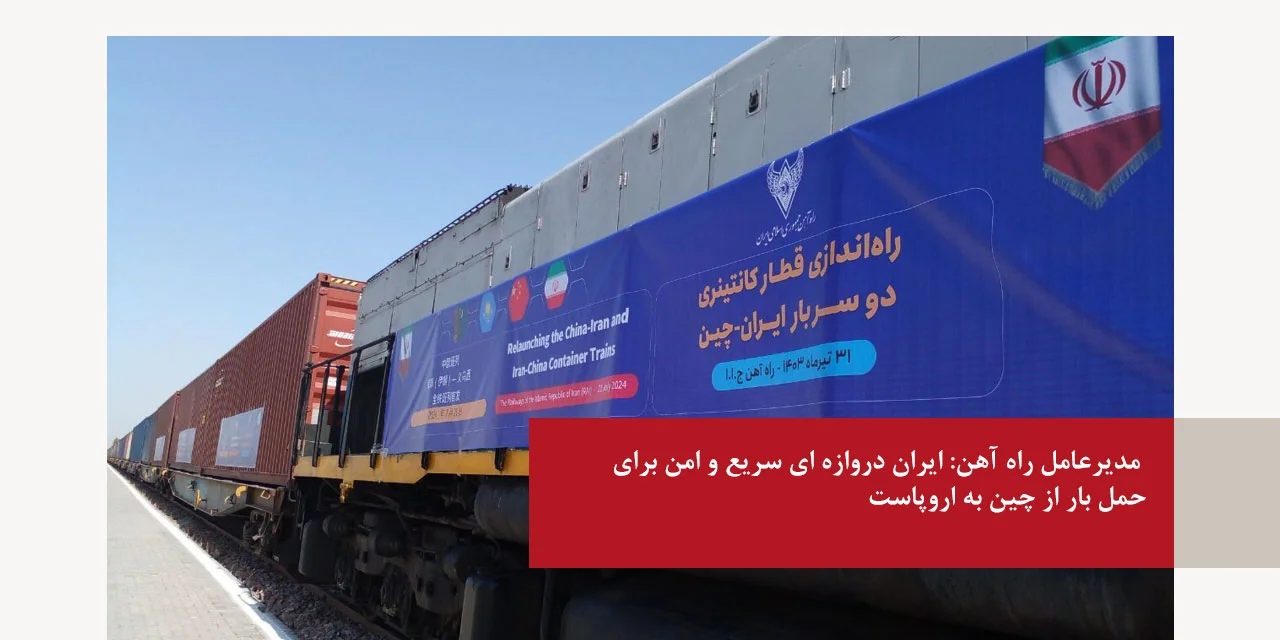
ه گزارش خبرنگار اقتصادی ایرنا، "سید میعاد صالحی" امروز (یکشنبه) در مراسم راهاندازی قطار کانتینری دو سربار ایران چین و بهرهبرداری از فاز نخست ریلی چین- ایران- اروپا در بندر خشک آپرین افزود: این قطار با عبور از کشورهای دوست و همسایه قزاقستان و ترکمنستان، به سمت چین حرکت میکند.
وی گفت: 10 روز پیش نیز قطار کانتینری حامل قطعات خودرو از چین به سمت ایران حرکت کرده و طی دو روز آینده در مرز اینچهبرون دو قطار مبادله میشوند.
معاون وزیر راه شهرسازی خاطرنشان کرد: امروز فاز نخست ریلی چین- ایران- اروپا را به بهرهبرداری رساندیم و امیدواریم این کریدور که حاصل زحمات چندین ساله شهید جمهور و دیپلماسی حمل و نقل ریلی ایشان بود و با همکاری وزارت امور خارجه، ریاست جمهوری و وزارت راه و شهرسازی به ثمر نشست، به طور کامل راهاندازی شود.
صالحی اظهار داشت: این کریدور زمان حمل بار را نسبت به حمل و نقل دریایی به شدت کاهش خواهد داد و امنیت و ایمنی خوبی به دنبال دارد و این مسیر تمام ریلی که از چین، قزاقستان و ترکمنستان میگذرد مورد توجه تجار و صاحبان بار قرار خواهد گرفت.
وی در ادامه به چند مورد از تجربیات موفق صادرات، واردات و ترانزیت ریلی در دولت سیزدهم اشاره کرد و گفت: دو کشور ایران و قزاقستان همکاری خوبی در کریدور شمال جنوب و حمل بار روسیه داشته و دارند، به طوری که سال گذشته محصول استراتژیک کود پتاس از مقصد مبدا روسیه به طول چهار هزار و 800 کیلومتر تا بندرعباس به صورت تمام ریلی ترانزیت شد و مسیر 18 تا 19 روزه جایگزین مسیر 52 تا 53 روزه حمل بار از طریق دریای سیاه، دریای سرخ و اقیانوس هند به مقصد هندوستان شد.
مدیرعامل راه آهن ادامه داد: امروز تجربه کریدور شرقی- غربی را آغاز کردیم که بارهایی از مبدا چین و ایران با عبور از ترکمنستان و قزاقستان به صورت دوسربار حرکت خواهد کرد.
وی اضافه کرد: امسال همچنین محصول استراتژیک زغال سنگ از مسیر روسیه برای نخستین بار به هندوستان ترانزیت شد و در خرداد و تیر امسال 9 هزار و 500 تن از این محصول طی هفت قطار (هفتهای یک قطار) مسیر را طی کرد که سرعت سیر بالایی داشت و در کمتر از سه روز مسیر ریلی یکهزار و 610 کیلومتری سرخس بندرعباس طی شد که یک تجربه و رکورد خوب بود.
صالحی تصریح کرد: برای تحقق این مهم با نگاه بلند شهید رئیسی برای توسعه حمل و نقل ریلی و با تعاملات سه کشور چین، قزاقستان و ترکمنستان، بنیانهای خوبی نهاده شد و آنچه مهم است استمرار این مسیر است تا شاهد اعتمادسازی بیشتری بین تجار ایرانی و چینی باشیم.
وی همچنین ابراز امیدواری کرد: سیر قطارها از هفتهای یک قطار به روزی یک قطار افزایش یافته و حجم تبادلات ارتقا یابد.
به گزارش ایرنا، امروز در مراسمی قطار کانتینری دو سربار ایران- چین راه اندازی شد. در این مراسم که در بندر خشک ریلی آپرین برگزار شد، همچنین فاز اول کریدور ریلی چین- ایران- اروپا به بهرهبرداری رسید.


 فارسی
فارسی