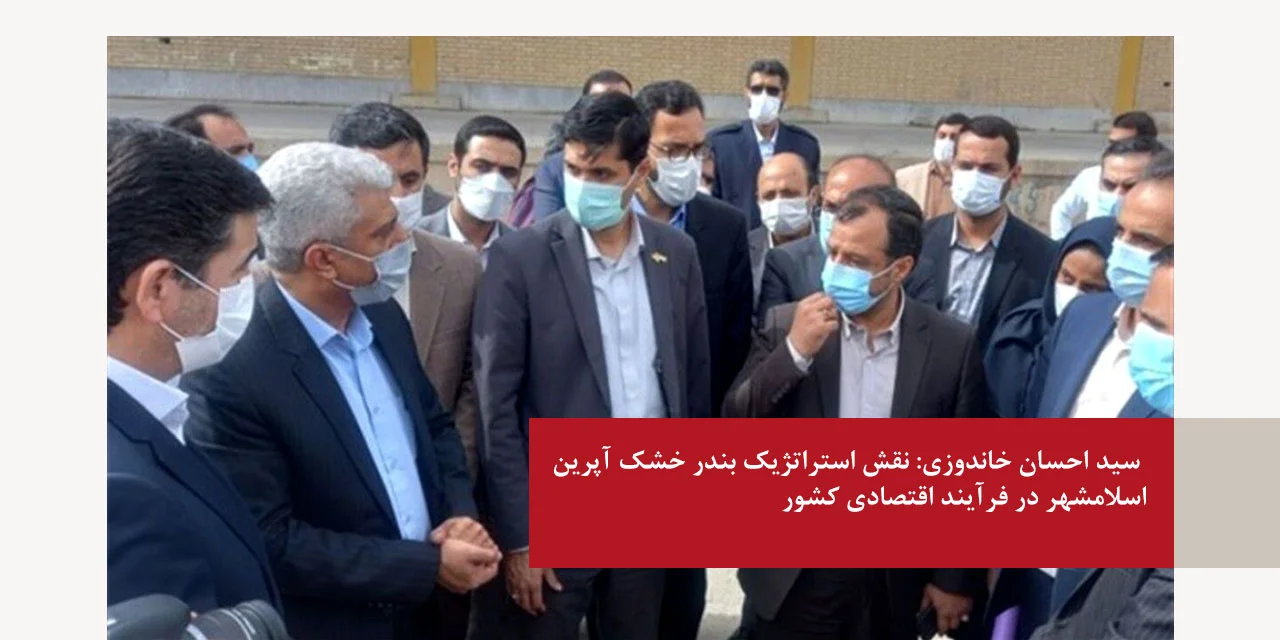
سید احسان خاندوزی، وزیر اقتصاد و دارایی با هماهنگی مهدی شریفیان نماینده مردم اسلامشهر، ری، تهران شمیرانات و پردیس ضمن سفر به شهرستان اسلامشهر از بندر خشک آپرین بازدید کرد و از نزدیک در جریان روند عملیات احداث نخستین بندر خشک کشور قرار گرفت.
وزیر اقتصاد و دارایی از بخشهای مختلف ایستگاه آپرین و منطقه ویژه بندر خشک بازدید کرد و موانع و مشکلات موجود برای ایجاد بزرگترین بندر خشک کشور را مورد بررسی قرار داد و مقرر شد مسئولان راه آهن با سرعت بیشتری زیرساختها و ساختمانهای مورد نیاز استقرار گمرک را فراهم کنند.
در ادامه برنامه، خاندوزی در سخنانی بیان کرد: احداث بندر خشک آپرین اسلامشهر که ظرفیتهای بسیار بالایی دارد، متأسفانه در جریان عملیات اجرایی آن عقبماندگیهای زیادی وجود دارد که باید پیشتر به بسیاری از موارد قانونی عمل میشد.
وی اهتمام جدی دولت بر این است بهرهبرداری از این گونه مناطق که در رفع محرومیت زدایی از نقش بسزایی برخوردارند را در اولویت قرار داده و افزود: بندر خشک آپرین اسلامشهر نقش استراتژیک در فرآیند اقتصادی به ویژه مسئله حمل بار در کشور ایفا خواهد کرد و احداث و بهرهبرداری از بندر خشک آپرین اسلامشهر یک امر ضروری و حیاتی است.
خاندوزی گفت: با توجه به سفر قریبالوقوع هیئت دولت به شهرستان اسلامشهر با حضور در منطقه مسائل و مشکلات را از نزدیک مورد بررسی قرار دادیم.
در جریان این بازدید مدیران کل راهآهن جمهوری اسلامی و گمرکات کشور، فرماندار اسلامشهر و جمعی از مقامات استانی وزیر اقتصاد و دارایی را همراهی کردند.
بندر خشک آپرین بر اساس تفاهم نامه منعقده بین رئیس کل گمرک کشور با مدیرعامل راهآهن جمهوری اسلامی در فروردین ماه سال 1399 عملیات احداث آن در زمینی به مساحت هزار هکتار آغاز شده، قرار است بیش از 60 درصد از کالاهای ورودی کشور دریافت و به صاحبان کالا تحویل داده شود.


 فارسی
فارسی