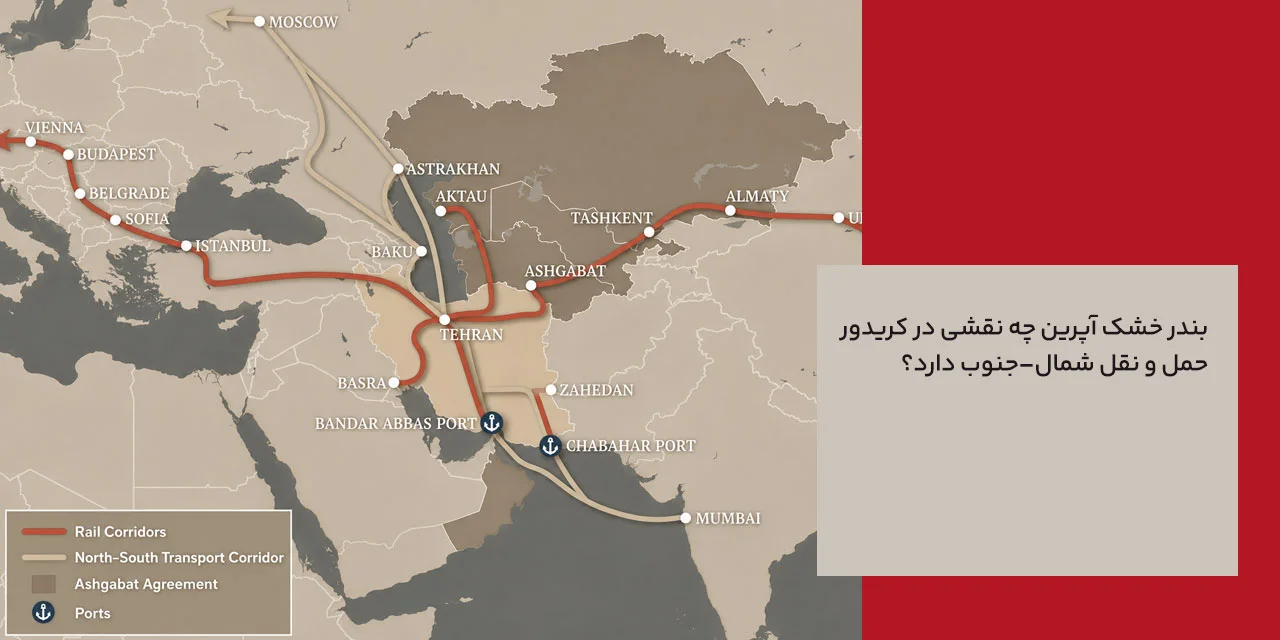
در سال های اخیر، ریسک های ژئوپلیتیکی، افزایش هزینه های حمل ونقل، اختلال در مسیرهای سنتی تجارت و رشد مبادلات تجاری میان آسیا و اوراسیا، اهمیت کریدورهای بین المللی حمل ونقل را به طور چشمگیری افزایش داده است. در میان این مسیرها، کریدور بین المللی حمل ونقل شمال–جنوب (INSTC) به عنوان یکی از راهبردی ترین مسیرهای تجاری، نقش مهمی در اتصال هند به کشورهای CIS، روسیه و اروپا ایفا می کند.
به دلیل موقعیت جغرافیایی منحصربه فرد، ایران در قلب این کریدور قرار گرفته و به عنوان پل ارتباطی مهم میان آسیای جنوبی و بازارهای اوراسیا عمل می کند. با این حال، بهره برداری کامل از ظرفیت های این فرصت، تنها به وجود بنادر محدود نمی شود؛ بلکه نیازمند توسعه زیرساخت های لجستیکی داخلی، شبکه حمل ونقل ریلی، امکانات گمرکی و هاب های لجستیکی پیشرفته ای است که توانایی پشتیبانی از جریان حمل گسترده کالا را داشته باشند.
در این چارچوب، بندر خشک آپرین، به عنوان بندر خشک ریلی کانتینری ایران و یکی از بزرگ ترین هاب های لجستیکی یکپارچه کشور، نقش مهمی در موفقیت عملیاتی کریدور حمل ونقل شمال–جنوب ایفا می کند.
کریدور حمل ونقل شمال–جنوب یک شبکه حمل ونقل چندوجهی شامل مسیرهای دریایی، ریلی و جاده ای است که با هدف اتصال هند به روسیه، آسیای مرکزی، منطقه قفقاز و اروپا توسعه یافته است.
هدف اصلی این کریدور، تسهیل انتقال کالا از هند به بازارهای اوراسیا از مسیر ایران است. کالاهای ارسال شده از بنادر هند، از طریق حمل دریایی به بنادر جنوبی ایران، به ویژه بندرعباس منتقل می شوند. پس از آن، محموله ها از طریق شبکه ریلی ایران به سمت شمال کشور و در ادامه به بازارهای روسیه، قزاقستان، ترکمنستان، ازبکستان، جمهوری آذربایجان و سایر کشورهای CIS هدایت می شوند.
در مقایسه با مسیرهای سنتی حمل دریایی، INSTC با کاهش قابل توجه زمان حمل، هزینه های حمل ونقل و پیچیدگی های زنجیره تأمین، به یکی از گزینه های جذاب برای تجارت بین المللی و توسعه همکاری های اقتصادی منطقه ای تبدیل شده است.
موقعیت راهبردی ایران این کشور را به پل زمینی اصلی میان آسیای جنوبی و اوراسیا تبدیل کرده است. زیرساخت های گسترده ریلی، امکانات بندری و توانمندی های رو به رشد لجستیکی ایران، امکان انتقال مطمئن و کم هزینه کالاهای ورودی از هند و منطقه اقیانوس هند به بازارهای شمالی را فراهم می کند.
با این حال، ارزش واقعی یک کریدور حمل ونقل تنها با جابه جایی کالا ایجاد نمی شود. کریدورهای تجاری کارآمد نیازمند مراکز لجستیکی هستند که قابلیت هایی مانند تجمیع محموله، انجام تشریفات گمرکی، انبارداری، مدیریت موجودی و توزیع چندوجهی را فراهم کنند.
در این نقطه، بندر خشک آپرین به یکی از اجزای کلیدی کریدور شمال–جنوب تبدیل می شود.
بندر خشک آپرین در جنوب غرب تهران و در نزدیکی بزرگ ترین بازار صنعتی، تجاری و مصرفی ایران، از موقعیتی راهبردی در شبکه حمل ونقل کشور برخوردار است. این مجموعه به عنوان یک دروازه لجستیکی داخلی، بنادر جنوبی کشور، شبکه ریلی سراسری، مناطق صنعتی و مراکز توزیع داخلی را به یکدیگر متصل می کند.
آپرین در امتداد محور اصلی لجستیکی اتصال بندرعباس به مسیرهای ریلی شمال کشور قرار گرفته است. محموله های ورودی از هند می توانند از طریق حمل ونقل ریلی از بندرعباس به آپرین منتقل شده و پس از انجام فرآیندهای تجمیع، نگهداری، خدمات لجستیکی و آماده سازی، به سمت کشورهای CIS، روسیه و اروپا ارسال شوند.
این نقش راهبردی، آپرین را از یک پایانه سنتی حمل کالا فراتر برده و آن را به یک هاب لجستیکی یکپارچه برای پشتیبانی از تجارت منطقه ای و عملیات ترانزیت بین المللی تبدیل کرده است.
به عنوان بزرگ ترین بندر کانتینری ایران، بندر شهید رجایی بندرعباس اصلی ترین نقطه ورود کالاهای بین المللی در مسیر کریدور شمال–جنوب محسوب می شود.
به جای تمرکز تمامی فعالیت های لجستیکی در محدوده بندر، آپرین امکان انتقال مستقیم محموله ها از بندعباس به مناطق داخلی کشور را از طریق شبکه ریلی فراهم می کند. این رویکرد ضمن کاهش ازدحام در بنادر، موجب افزایش سرعت انتقال کانتینرها می شود.
انتقال فرآیندهایی مانند تشریفات گمرکی، انبارداری و توزیع کالا به نزدیکی مراکز اصلی تولید و مصرف، ظرفیت لجستیکی بیشتری در خارج از محدوده بنادر ایجاد کرده و عملکرد کلی کریدور شمال–جنوب را بهبود می بخشد.
یکی از مهم ترین مزیت های آپرین، قرارگیری آن در شبکه ریلی سراسری ایران است. محموله های ورودی از هند می توانند پس از انتقال به آپرین، از طریق مسیرهای ریلی شمالی کشور و پایانه های مرزی مانند اینچه برون و سرخس به مسیرهای بین المللی ادامه مسیر دهند.
این گذرگاه های ریلی، دسترسی مستقیم به کشورهای آسیای مرکزی، بازارهای CIS، روسیه و مسیرهای تجاری گسترده اوراسیا را فراهم می کنند. در نتیجه، آپرین به عنوان یک مرکز مهم تجمیع و توزیع کالا در کریدورهای لجستیکی زیر ایفای نقش می کند:
با افزایش حجم تجارت میان هند و اوراسیا، نیاز به زیرساخت های لجستیکی داخلی توانمند که قابلیت پشتیبانی از عملیات ترانزیتی در مقیاس بالا را داشته باشند، بیش از پیش اهمیت پیدا کرده است. در این میان، آپرین نقش مهمی در پاسخگویی به این نیاز ایفا می کند.
یکی از مزیت های رقابتی مهم بندر خشک آپرین، وجود گمرک مستقر در مجموعه است. محموله های وارداتی، صادراتی و ترانزیتی می توانند فرآیندهای مرتبط با اظهار، بازرسی و انجام تشریفات گمرکی را مستقیماً در داخل مجموعه طی کنند.
این یکپارچگی خدمات گمرکی باعث کاهش پیچیدگی های اداری، کوتاه تر شدن زمان توقف کالا و افزایش شفافیت جریان محموله برای اپراتورهای لجستیکی، شرکت های حمل ونقل بین المللی و صاحبان کالا می شود.
برای محموله های ترانزیتی در مسیر کریدور شمال–جنوب، فرآیندهای گمرکی ساده تر و سریع تر، نقش مهمی در تسریع حرکت کالا به سمت مقصدهای نهایی در منطقه اوراسیا دارد.
آپرین با هدف پاسخگویی به رشد حجم تجارت در کریدورهای بین المللی حمل ونقل توسعه یافته است. این مجموعه با برخورداری از زیرساخت های گسترده عملیاتی، ظرفیت لازم برای مدیریت جریان های متنوع کالا و پشتیبانی از عملیات لجستیکی در مقیاس بزرگ را فراهم می کند.
این قابلیت ها به آپرین امکان می دهد خدمات لجستیک طیف گسترده ای از کالاها شامل محصولات صنعتی، قطعات خودرو، کالاهای کشاورزی، محصولات غذایی، دارویی، محموله های پروژه ای و کالاهای کانتینری را ارائه دهد.
با ادامه رشد تجارت میان هند، روسیه، آسیای مرکزی و اروپا، اهمیت راهبردی کریدور بین المللی حمل ونقل شمال–جنوب (INSTC) نیز افزایش خواهد یافت. در این مسیر، هاب های لجستیکی داخلی که توانایی مدیریت حمل و نقل چندوجهی کالا را داشته باشند، نقش مهمی در افزایش کارایی و رقابت پذیری این کریدور ایفا خواهند کرد.
بندر خشک آپرین با برخورداری از:
ظرفیت آن را دارد که به یکی از مراکز مهم لجستیکی پشتیبان توسعه آینده کریدور بین المللی شمال–جنوب تبدیل شود.
کریدور بین المللی حمل ونقل شمال–جنوب (INSTC) یکی از مهم ترین مسیرهای تجاری برای اتصال هند به کشورهای CIS، روسیه و اروپا محسوب می شود. ایران به دلیل موقعیت جغرافیایی ویژه خود، در مرکز این مسیر قرار گرفته و بندر خشک آپرین به عنوان یکی از مهم ترین زیرساخت های لجستیکی داخلی، نقش کلیدی در افزایش کارایی این کریدور ایفا می کند.
اتصال مستقیم ریلی به بندرعباس، زیرساخت های گسترده ریلی، خدمات گمرکی مستقر، امکانات پیشرفته انبارداری و قابلیت های لجستیکی یکپارچه، به آپرین امکان می دهد حمل و ترانزیت کالا میان بنادر جنوبی ایران و بازارهای شمالی اوراسیا را مدیریت کند.
امروز آپرین تنها یک بندر خشک نیست؛ بلکه یک هاب لجستیکی یکپارچه راهبردی است که با تقویت تجارت منطقه ای، افزایش تاب آوری زنجیره تأمین و توسعه مسیرهای تجاری میان آسیای جنوبی و اوراسیا، به جایگاه ایران به عنوان یک دروازه لجستیکی مهم در منطقه کمک می کند.


 فارسی
فارسی